




























Medical Supply Store Guide for Healthcare Buyers
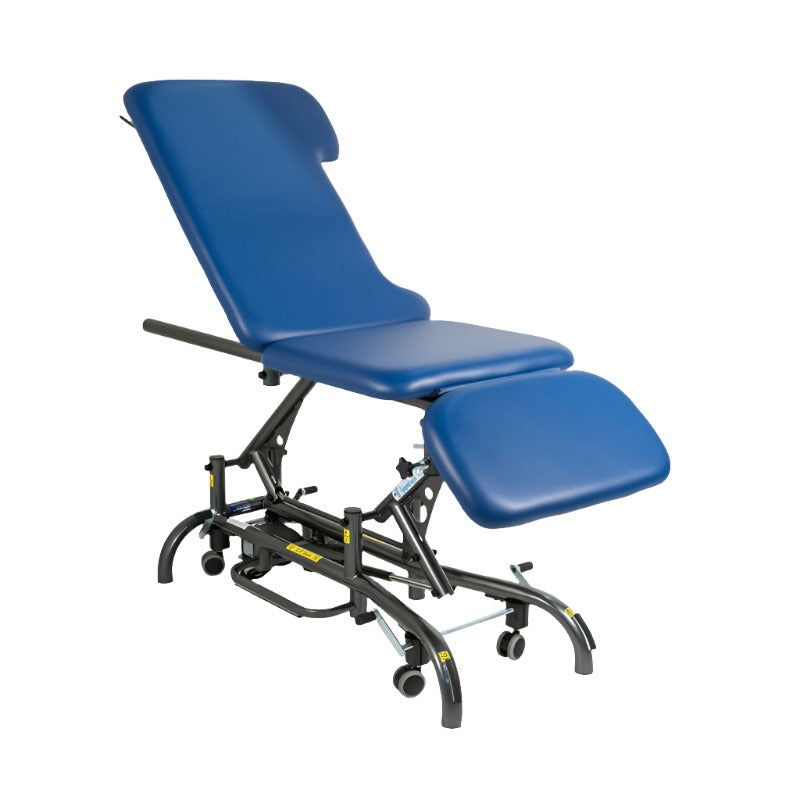
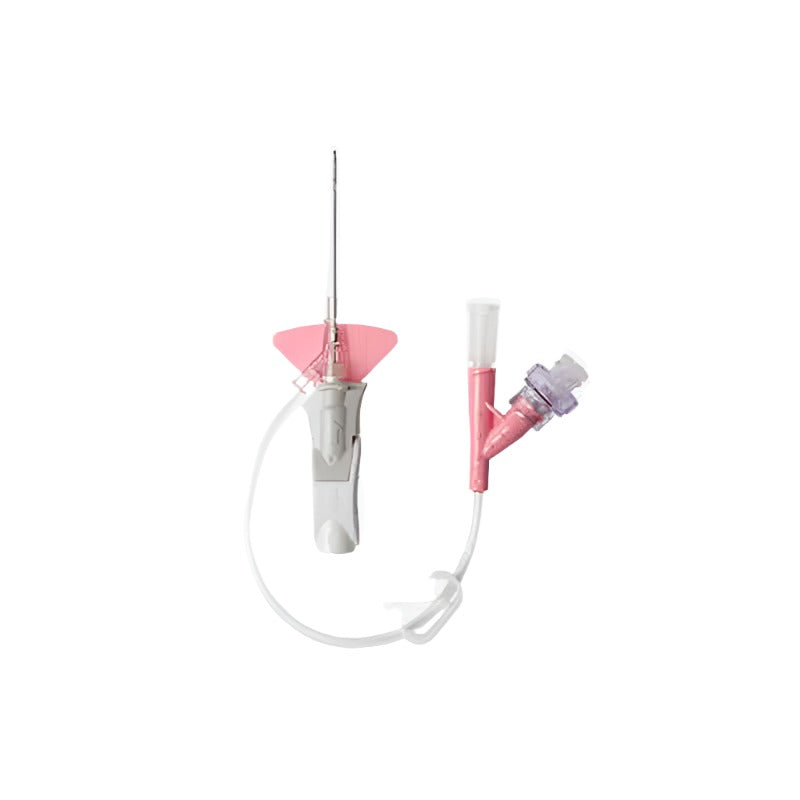
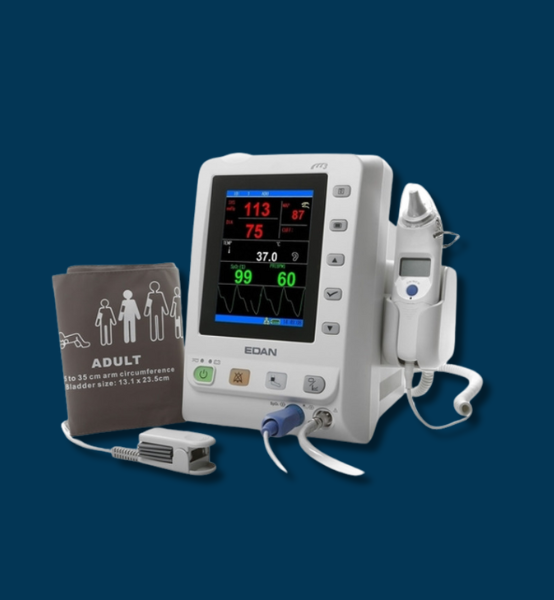
A medical supply store for business buyers is less about browsing shelves and more about keeping clinics, hospitals, and care facilities supplied with dependable medical products. Procurement teams need a source that understands recurring demand, product consistency, and the practical demands of patient care. In Canada, that usually means a supplier built for professional ordering, with service support, category depth, and fulfillment that fits day-to-day operations rather than retail shopping. What a medical supply store means for business buyers For professional buyers, a medical supply store should function like a procurement partner. The focus is on availability, repeat ordering, and products suited to clinical use, not consumer checkout convenience. That includes serving distributors, clinics, hospital buyers, and healthcare facilities that need reliable access to medical supplies and clear account support. The best fit is a supplier that can handle ongoing operations, not just one-time purchases. Products and categories to look for A strong catalog should cover the core medical products used across exam rooms, labs, and care environments. Look for essentials such as procedure masks, exam drapes, blood collection sets, sodium chloride injection solution, rapid influenza A/B and COVID-19 antigen tests, vital signs monitors, bp monitors, ambulatory monitor, wheelchairs, stretchers, and exam tables. A broad selection of medical supplies helps reduce sourcing gaps and keeps purchasing consistent when demand changes. It also makes it easier to support wound care, patient care, and other daily clinical needs from one supplier. Clinical categories that matter most Organized categories make a difference when teams are ordering under time pressure. Instead of retail-style browsing, buyers should look for practical groupings such as diagnostics, exam room supplies, mobility equipment, respiratory items, ultrasound supplies, and wound care essentials. Clear navigation saves time for procurement staff and helps clinical users find the right product fast. That structure also makes recurring ordering simpler when facilities need the same items month after month. Distribution and fulfillment capabilities For Canadian buyers, distribution centres across Canada can be a major advantage because they often improve speed, reduce delays, and support better order continuity. Facilities that rely on recurring stock need more than a large catalog; they need dependable inventory depth and a fulfillment process that keeps up with routine demand. When product availability is stable and order handling is accurate, teams can focus on care delivery instead of chasing shortages or substitutions. What dependable fulfillment should include Dependable fulfillment should mean timely delivery, accurate picking, and responsive communication when demand shifts. For hospitals, clinics, and laboratories, those basics matter because a missed shipment can disrupt scheduling, procedures, and patient care. Buyers should also look for suppliers that can manage repeat orders without unnecessary friction. The goal is steady supply, not just fast shipping once in a while. Healthcare solutions beyond products Stronger providers offer more than individual items; they support healthcare solutions that help teams work efficiently. That can include account guidance, product education, and service-oriented support for buyers managing multiple departments or sites. When a supplier understands how products are used in real settings, it becomes easier to choose the right medical products for the job. That kind of support can improve workflow, reduce ordering mistakes, and give procurement teams more confidence. Choosing a supplier that supports patient care The best supplier choice is the one that supports patient care without creating extra work for staff. Reliability, product fit, and responsive service all affect how smoothly a facility operates. A supplier that understands exam room supply needs, clinical workflow, and recurring demand is often a better long-term fit than one that only offers a large catalog. For professional buyers, the right partner should make ordering simpler and care delivery more consistent. Questions buyers should ask before ordering Before placing an order, procurement teams should ask a few practical questions. Does the supplier carry the categories your facility uses most often? Can they support recurring purchases with dependable fulfillment? Do they serve Canadian buyers well enough to meet your timelines? Is there enough depth in the catalog to cover both routine medical supplies and specialized items? Clear answers help buyers compare options without guessing. Making the right choice for your facility A good medical supply store should support the realities of professional purchasing: consistent stock, useful product range, and service that fits healthcare operations. Whether you are sourcing procedure supplies, mobility equipment, diagnostics, or routine medical products, the strongest choice is usually the one that helps your team stay ready. For Canadian facilities, that means a supplier built around continuity, practicality, and long-term value rather than retail convenience.


